

What Causes Back Pain During Pregnancy? How Can It Be Relieved?
As is well known, pregnancy brings many physical and emotional changes. One of the most common complaints during this period is back pain. The causes of back pain during pregnancy may vary from woman to woman and are often related to hormonal changes, weight gain, and changes in body posture. In this article, we explore the answers to two frequently asked questions: What causes back pain during pregnancy? and How can pregnancy-related back pain be relieved?
One of the primary causes of back pain during pregnancy is weight gain resulting from the growing uterus and the baby’s development. This additional weight places extra pressure on the spine, causing the back muscles to work harder. In addition, pregnancy hormones such as relaxin and progesterone loosen the ligaments and joints in the pelvic area, which may further trigger back pain.
Changes in posture also play a significant role in the development of back pain during pregnancy.
What Causes Back Pain During Pregnancy?
As pregnancy progresses, the abdomen grows and the body’s center of gravity shifts. In order to maintain balance, expectant mothers may experience postural changes. This places extra pressure on the spine and can lead to back pain.
Frequent position changes may also intensify discomfort. As the belly grows, additional strain is placed on the spine, stretching the back muscles. Many women also struggle to find a comfortable sleeping position during pregnancy, which can further contribute to back pain.
Psychological factors are another important cause of pregnancy-related back pain. Pregnancy can be an emotionally challenging time, and increased stress or anxiety may lead to muscle tension, which in turn causes back pain. For this reason, when considering how to relieve back pain, it is important to choose the most suitable approach based on both physical and emotional factors.
How Can Back Pain During Pregnancy Be Relieved?
There are several methods that can help reduce back pain during pregnancy. These methods may vary depending on the mother’s body structure and weight. Common ways to ease pregnancy-related back pain include:
- Improving posture and maintaining correct body alignment
- Keeping shoulders upright and balancing the body’s center of gravity
- Using a supportive cushion while sitting to support the lower back
- Engaging in gentle exercise, such as prenatal yoga or Pilates, to strengthen back muscles and improve flexibility
- Swimming, which reduces pressure on the spine and helps relieve pain (always consult your doctor before starting any exercise program)
- Applying warm or cold compresses to the back for 15–20 minutes to help relax muscles and reduce discomfort
- Physical therapy is another effective method for relieving back pain during pregnancy. Physical therapists can offer tailored exercise programs and treatments designed specifically for pregnancy-related discomfort, as well as guidance on correct posture and movement techniques. However, it is essential to consult your doctor before beginning any physical therapy program.
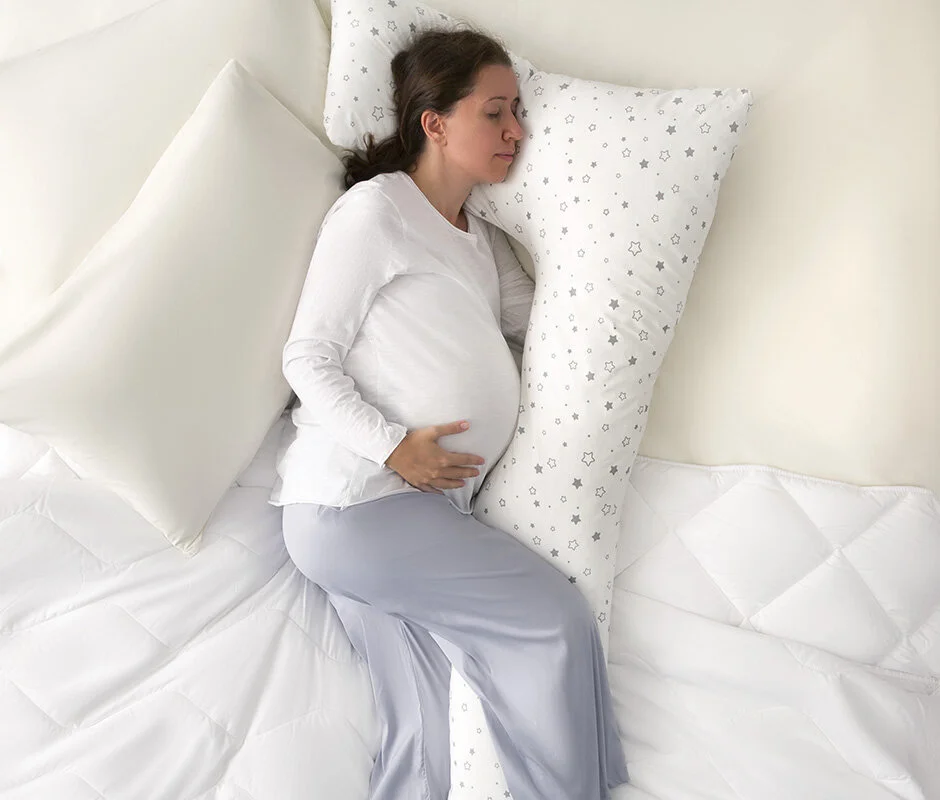
Methods That May Help Relieve Back Pain During Pregnancy
One of the most common questions among expectant mothers is how sleep should be during pregnancy. While the answer varies for each individual, one key factor stands out: quality sleep. To support the body’s changing proportions during pregnancy, using a pregnancy pillow can help minimize existing back pain.
In addition to pregnancy pillows, other methods that may help relieve back pain include:
- Wearing orthopedic footwear
- Taking regular walks with your doctor’s approval
- Providing proper back support
- Maintaining a balanced diet
- Using vitamin and mineral supplements as recommended by your doctor
- Getting enough rest throughout the day
- Practicing pregnancy-appropriate exercises
When Should You See a Doctor for Back Pain During Pregnancy?
Although back pain during pregnancy is generally normal, there are situations where medical attention is necessary. You should contact your obstetrician if you experience any of the following:
- Severe and persistent back pain
- Back pain that becomes intense and long-lasting, which may indicate another underlying condition
- Sudden fever, bleeding, or swelling in the legs, which may signal infection or serious health issues
- Difficulty walking or sudden numbness in the legs, which may indicate nerve compression and require urgent care
- Sudden onset of intense back pain that worsens over time, which could be a sign of kidney infection or kidney stones
When you consult a doctor, they may perform tests to determine the source of the pain. If the back or lower back pain does not pose a serious risk to you or your baby, choosing mattress models designed to support back, neck, and spinal health for pregnant women may help reduce discomfort.
How Should You Sleep During Pregnancy?
Pregnancy is a unique and exciting journey, but it can significantly affect sleep quality. A growing belly, a shifting center of gravity, hormonal changes, and increased stress can make restful sleep more difficult. This is where pregnancy sleep pillows become a true lifesaver.
Designed specifically for expectant mothers, these pillows support the head, neck, back, abdomen, and legs, helping maintain an optimal sleeping position. They encourage side sleeping—particularly on the left side—which is widely considered beneficial for both mother and baby. Sleeping on the side improves blood flow to the uterus and baby while helping to reduce back pain.
Choosing the right pregnancy sleep pillow can greatly enhance sleep quality. Key factors to consider include the pillow’s material, filling type, and size. Hypoallergenic materials and breathable fabrics are recommended, and washable covers offer a significant advantage in terms of hygiene.
A pregnancy sleep pillow is an excellent solution for achieving comfortable and restful sleep during pregnancy. By selecting the right pillow, you can minimize physical discomfort and enjoy a more peaceful sleep experience. Remember, quality sleep is essential not only for the mother’s well-being but also for the baby’s health—making a pregnancy pillow not a luxury, but a necessity.